Using Nonsense to Make Sense of a World That Doesn't Make Sense: Kurt Schwitters' Ursonate

We've all encountered the experience of trying to overstand something when all we needed to do was understand it. Sometimes, that's the result of interpreting a piece of literature or witnessing a movie with a bizarre ending.
Other times, it feels like there's really nothing we can do to understand what's in front of us. Perhaps we're grappling with the supposed legitimacy of cryptocurrency or the purported efficacy of contemporary politics. In pursuits like this, is it even sensible to use logic in an effort to make sense of a world that, frankly, doesn't make sense? Is there a better way to approach this dilemma? According to Kurt Schwitters, the answer might just be gibberish.
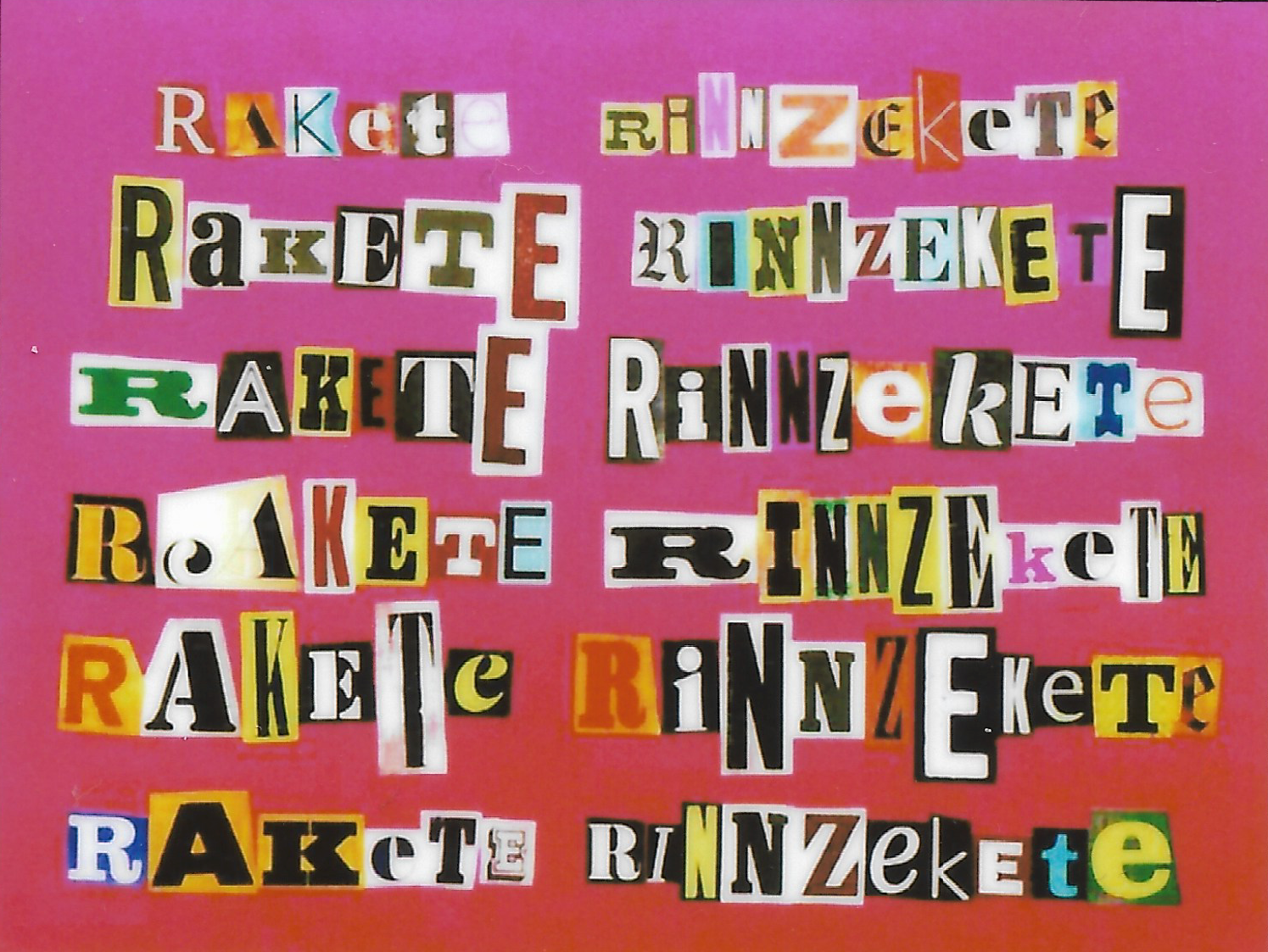
Schwitters, a German artist whose primary focus revolved around painting and collage, produced Ursonate—a 45-minute gibberish "sound" poem with the intention that it be a guide to make sense of a world that doesn't make sense. I believe his concept has a few ideas going for it that make it philosophically viable, so in this article, I will highlight three qualitative elements of Ursonate that support it as a solution to sanity in what currently feels like a pretty insane world.
Disassociation
Sometimes, disconnecting from one's sense of reality can be quite freeing. Ursonate's use of non-existent words removes the listener from the existing world of acrimonious headlines, charged TV coverage, and acerbic commentary and into a space where words cannot cause harm, fear, or danger, if only because made-up words can't really do anything. To use a made-up language is nonconformity manifested: "Neither of us understands each other, because we live in two completely different worlds. Likewise, it will stay this way because I refuse to learn your language and, in doing so, your ways."
This may sound slightly naive—like children covering their ears upon hearing vulgarity—but living under a rock doesn't have to be negative; it can be a tool to live more peacefully. A life with fewer distractions is not only emotionally simpler—it grants greater focus, an invaluable commodity in today's dopamine-driven, "on-demand" entertainment realm (i.e., social media, TV/movie streaming, YouTube, etc.). If you desire comprehension of the outside world's absurdity, perhaps there's no greater approach than to listen to a recording of literal mumbo jumbo.