What We Can Learn From Grunge Fashion

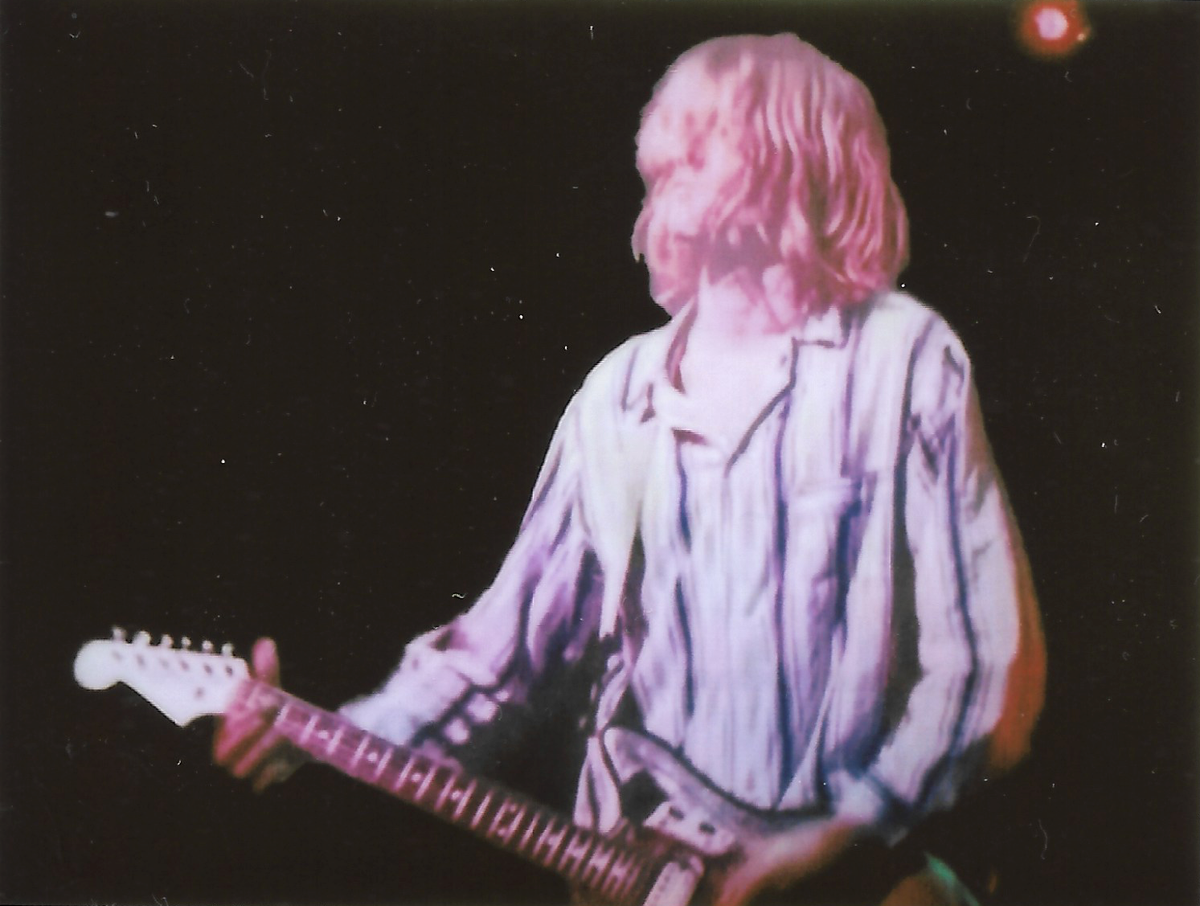
The grunge aesthetic—characterized by plaid flannel shirts, ripped jeans, and looser, oversized fits—was captured in Seattle and quickly became a cultural phenomenon. Since the genre made its commercial debut in the early '90s, many have attempted to capture and recreate the look with personal interpretation, not least of whom was then-Perry Ellis designer Marc Jacobs, whose Spring/Summer 1993 show cost him his job. But why didn't his execution "work" when Kurt Cobain's did? To investigate this, we first need to discuss how the grunge aesthetic came to be.
Nirvana et al. (think Pearl Jam, Alice in Chains, and the like) did not concoct the look as sartorial masterminds, contriving an acute sense of insouciant attitude and effortless charm. No—they resorted to their clothes out of accessibility.
At the time, Washington state's economy was heavily driven by the lumber industry, which was predominantly made up of one archetype: the burly, bearded, axe-swinging lumberjack. And what happened to this lumberjack's clothes when they were too tattered for continued wear? They ended up in nearby thrift stores. And where do starving artists go when they "haven't got a stitch to wear"? Why yes—that would be none other than... the thrift store.
So it follows that Cobain's oversized green cardigan in Nirvana's 1993 MTV Unplugged appearance was not the selection of an outfit guru. It was what was left over. Available and cost-effective, the clothes that adorned the world's most famous musicians were secondhand. (Now that's punk rock.)
With this history lesson now complete, I'd like to discuss three principles that one can learn from grunge's defining success to fabricate the next fashion zeitgeist (or—for the less ambitious—simply look cooler).